Bright Ideas: How Lighting in Your Home Can Boost Your Mood, Health, and Sleep
Have you ever walked into a room and instantly felt more relaxed, energized, or even inspired? The secret often isn’t the decor—it’s the lighting. The way you light your home can significantly affect your mood, overall wellness, and even your circadian rhythm, the natural internal clock that regulates sleep and wake cycles.
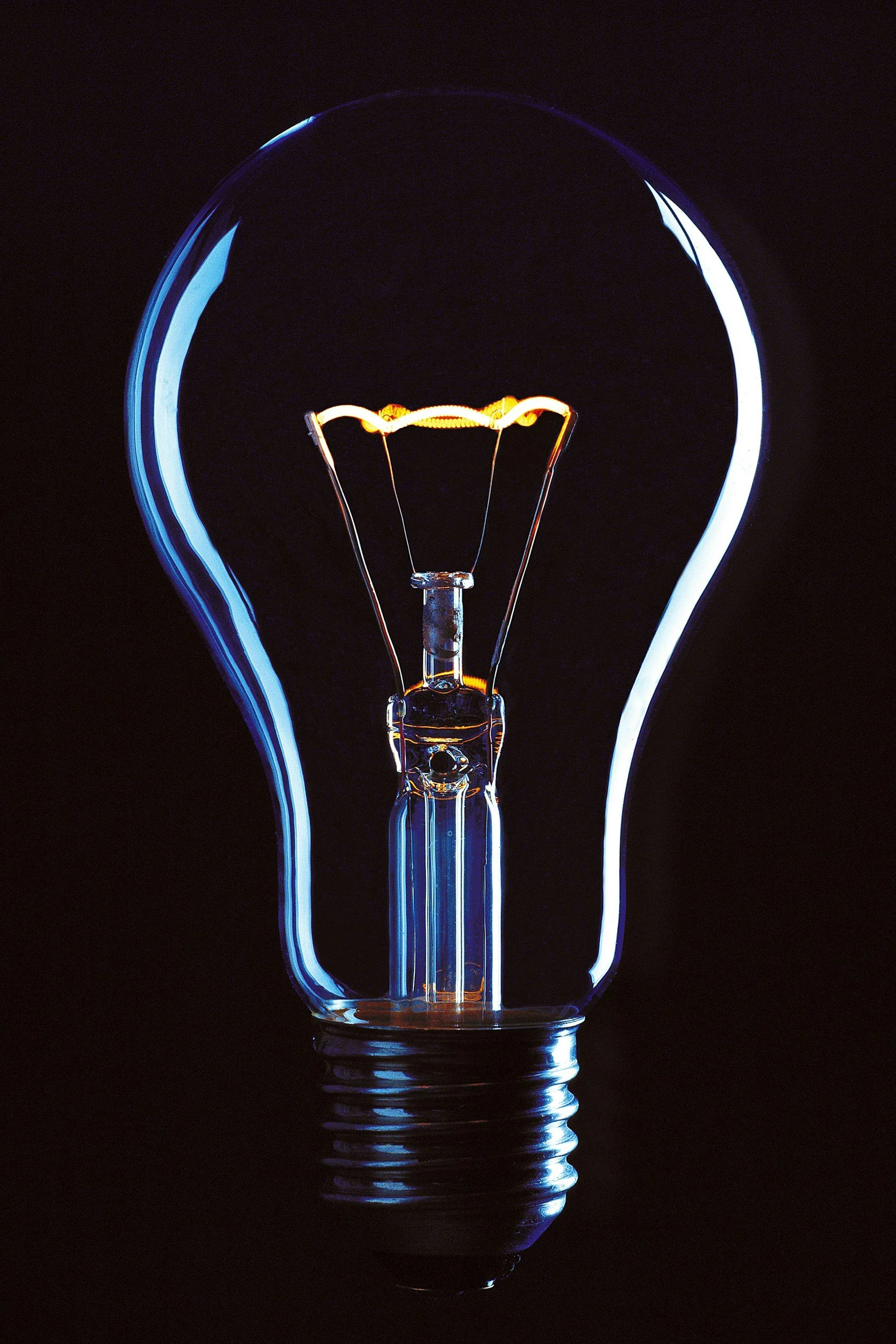
Did you know the lighting in your home could be affecting your mood, energy, and even how well you sleep?
The right light at the right time can help you feel happier, more focused, and healthier—while the wrong lighting can leave you tired, stressed, or restless.
Why Lighting Matters for Your Mood and Health
Light is more than just something that helps you see. It sends signals to your brain, influencing:
Mood: Bright, natural light can boost serotonin levels, making you feel happier and more alert.
Energy: Exposure to daylight helps you feel awake and focused during the day.
Sleep: Proper lighting helps regulate melatonin, the hormone that tells your body it’s time to sleep.
Too little light—or the wrong kind—can leave you feeling sluggish, anxious, or disrupt your sleep, which affects your overall health.
Your circadian rhythm is your body’s natural 24-hour clock that regulates sleep, wakefulness, hormone production, and even mood. It responds primarily to light cues, which tell your brain when it’s time to be alert and when it’s time to wind down. This is why the lighting in your home matters so much: bright, natural light in the morning can help wake you up and boost energy, while warm, dim lighting in the evening signals your body that it’s time to relax and prepare for sleep. By aligning your home lighting with your circadian rhythm, you can improve your sleep quality, enhance your mood, and support overall wellness—making your space more than just a home, but a tool for better health.
1. Let in as Much Natural Light as Possible
Natural sunlight is the most powerful regulator of your circadian rhythm, your body’s internal clock that tells you when to wake up and go to sleep. Exposure to daylight in the morning helps your brain release serotonin, which boosts mood and energy. Make it a habit to open blinds and curtains as soon as you wake up, or arrange your work or study space near a window. Even a few minutes of direct sunlight each morning can make a noticeable difference in alertness and overall mood.
2. Use Warm Light in the Evening
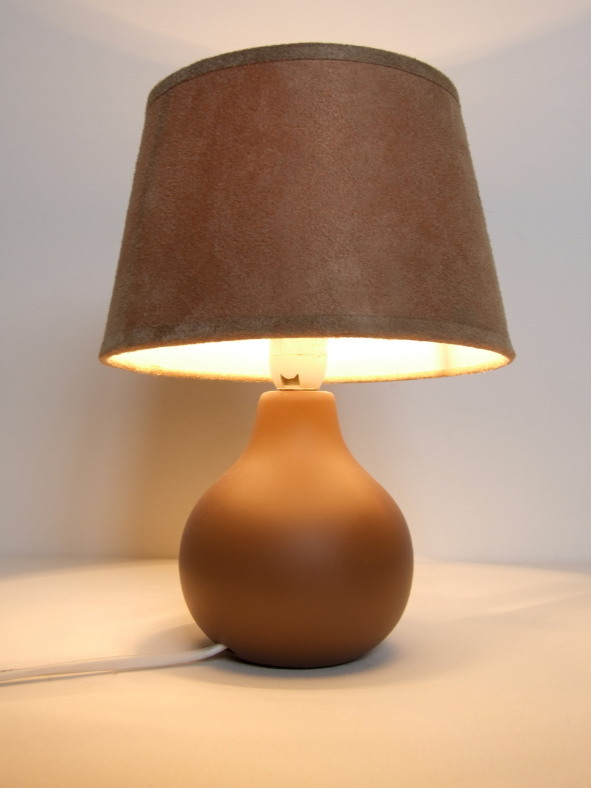
As the sun sets, your body naturally starts producing melatonin, the hormone that signals sleep. Using bright or blue-toned lights late in the day can confuse your brain and delay sleep onset. Instead, switch to warm, dim lighting in the evening. Table lamps, floor lamps, or smart bulbs that adjust their color temperature can mimic sunset and help your body wind down naturally.
3. Layer Your Lighting for Balance
Relying on a single overhead light can leave a room feeling harsh or uninviting. Instead, use layered lighting, combining ambient, task, and accent lights. Ambient lighting provides overall illumination, task lighting supports activities like reading or cooking, and accent lighting highlights features or artwork. Layering lights not only improves functionality but also creates a comfortable, relaxing atmosphere that can reduce stress and promote well-being.
4. Consider Smart or Tunable Bulbs
Technology can help your body’s natural rhythm. Smart bulbs allow you to adjust brightness and color temperature throughout the day. They can gradually brighten in the morning to simulate sunlight and dim in the evening to prepare your body for sleep. This kind of lighting can help regulate your circadian rhythm, making it easier to wake up refreshed and fall asleep naturally at night.
5. Avoid Harsh, Blue-Toned Light Before Bed
Blue light, which is common in phone screens, laptops, and some LED bulbs, can trick your brain into thinking it’s still daytime. Exposure to this light late at night can suppress melatonin production, making it harder to fall asleep. Reduce screen time an hour before bed, or use blue light filters, and choose bulbs that emit warm tones instead. Your sleep—and mood the next day—will thank you.
6. Brighten Your Workspace Strategically
Good lighting isn’t just for the bedroom or living room. How you light your workspace can impact focus, productivity, and even mental health. Bright, natural light is ideal, but if that isn’t available, aim for high-quality task lighting that illuminates your work without glare. Proper lighting reduces eye strain, improves concentration, and can help prevent headaches and fatigue.
7. Use Dimmer Switches for Flexibility
A simple dimmer switch can transform a room. Dimming lights in the evening not only helps your circadian rhythm but also creates a cozy, calming environment. During the day, brighter settings can energize the space, while evenings can transition to a relaxing glow. This small change can make your home feel more comfortable and support a healthy balance between activity and rest.
9. Keep Some Nighttime Lights Soft and Safe
It’s important to keep your home safe for nighttime trips to the bathroom or kitchen without disrupting your sleep. Soft, warm nightlights or hallway lights provide enough visibility without triggering a full wake-up response in your brain. Avoid harsh, bright lights, as they can reset your circadian rhythm and interfere with your rest.
10. Small Changes Add Up Over Time
Even minor adjustments—like opening a curtain, switching a bulb, or adding a floor lamp—can have cumulative effects on your health. Over time, proper lighting supports better sleep, improved mood, more energy, and a healthier internal clock. By intentionally thinking about how you light each space in your home, you can create an environment that nourishes both body and mind, helping you feel your best every day.
8. Accent Lighting Can Improve Mood
Accent lighting, like a softly glowing lamp, LED strips, or fairy lights, may seem purely decorative, but it has a real impact on mood. Soft, focused light draws attention to elements you enjoy, like artwork or plants, creating a pleasant atmosphere. Using light intentionally in this way can help reduce stress and make your environment feel more inviting and uplifting.

Lighting might seem like a small detail in your home, but its impact on your mood, sleep, and overall wellness is profound. By paying attention to natural light, layering your lamps, using warm tones in the evening, and making small, intentional changes throughout your space, you can create an environment that supports both your body and mind. Remember, your home should be more than just a place to live—it can be a sanctuary that energizes you during the day, calms you at night, and helps you feel healthier and happier overall. Start experimenting with your lighting today, and notice the difference it can make in how you feel every day.