How I grew My hair back from stress Causing alopecia Areata.
Stress has always impacted me physically: Rashes, eczema, tension headaches, back pain, stomach issues, and now hair loss. I panicked when I saw my bald spots, I had no idea what caused them. When the doctors told me the alopecia was caused by stress I needed to try the natural route.
Here is everything I did to regrow my hair.
What is Alopecia Areata?
What is Alopecia Areata?
Alopecia Areata is a general medical term for hair loss. It doesn’t describe a single condition—rather, it refers to any type of hair loss, whether temporary or permanent, and whether it’s caused by stress, illness, genetics, hormonal changes, or autoimmune factors.
Telogen effluvium is a temporary form of hair loss that happens when the body goes through a major stress—like emotional overwhelm, illness, a big life change, or physical strain. This stress “shocks” hair follicles into a resting phase, which leads to noticeable shedding a few weeks later. The important part: telogen effluvium doesn’t damage the follicles, so once the stress settles and the body resets, the hair usually grows back naturally.
You can expect the hair to grow back on its own, but in my case, every time hair started to grow back, a new bald patch on my scalp would appear. I developed my routine after months of trial and error, after three years I am happy to say I no longer deal with Telogen Effluvium.
Always confirm with a Physician.
Disclaimer: Everyone’s hair and health are different, and many conditions can cause hair loss. If you’re experiencing sudden, severe, or unexplained shedding, it’s always best to check in with a doctor or dermatologist. They can help confirm the cause and make sure you’re getting the right care for your specific situation.
This routine is designed to be simple, gentle, and natural—focused on healthy hair habits, scalp care, and stress-supportive practices that many people can benefit from. Because it relies on non-medicated methods like nourishing oils, balanced washing habits, and lifestyle support, it can be adapted by almost anyone looking to promote healthier-feeling hair or reduce everyday shedding triggers. Of course, everyone’s hair and scalp are unique, so it’s always good to pay attention to how your hair responds and adjust the routine to what feels best for you.
Although alopecia areata is an autoimmune condition—meaning the immune system mistakenly targets hair follicles—stress doesn’t directly cause it, but it can act as a trigger or accelerator in people who are already predisposed. When the body is under significant emotional or physical stress, stress hormones and inflammatory signals can become elevated. This shift can disrupt normal immune regulation and make the immune system more reactive. In someone with alopecia areata, that heightened reactivity may increase the chances of an episode beginning or progressing. In short, stress doesn’t create the condition, but it can influence when it appears and how intensely it shows up.
When it comes to alopecia areata, one of the most powerful places to start is from the inside out. While the condition is autoimmune and not caused by stress alone, stress can be a major trigger for flare-ups—so step one is creating space to calm your system. This might mean prioritizing rest, building consistent self-care routines, practicing mindfulness, or finding healthy outlets for emotional tension. Supporting your body’s stress response doesn’t replace medical care, but it can help reduce internal inflammation and create a more supportive environment for your hair and overall well-being.
10 Simple Ways to Reduce Stress and Support Your Well-Being
Managing stress is one of the most supportive things you can do for your overall health—especially if you’re navigating conditions like alopecia areata, where flare-ups can be influenced by your body’s stress response. These small, intentional habits can help calm your system and create a more balanced internal environment.
Deep breathing or mindfulness exercises — even a few slow breaths can help quiet your nervous system.
Regular movement — choose activities you enjoy, like walking, stretching, or yoga, to release tension.
Consistent sleep routine — going to bed and waking up at the same time helps regulate stress hormones.
Limit stimulants — especially caffeine later in the day, which can heighten anxiety or disrupt sleep.
Journaling — write out worries or thoughts to clear mental clutter and process emotions.
Time outdoors — sunlight, fresh air, and nature can lower stress and boost your mood.
Connect with supportive people — talking things out with friends, family, or a counselor can make a big difference.
Gentle hobbies — activities like reading, painting, or music can relax your mind and shift your focus.
Mindful breaks — pause throughout the day instead of running on autopilot or pushing through fatigue.
Healthy boundaries — saying no to extra responsibilities protects your energy and reduces overwhelm.
Scalp Oiling
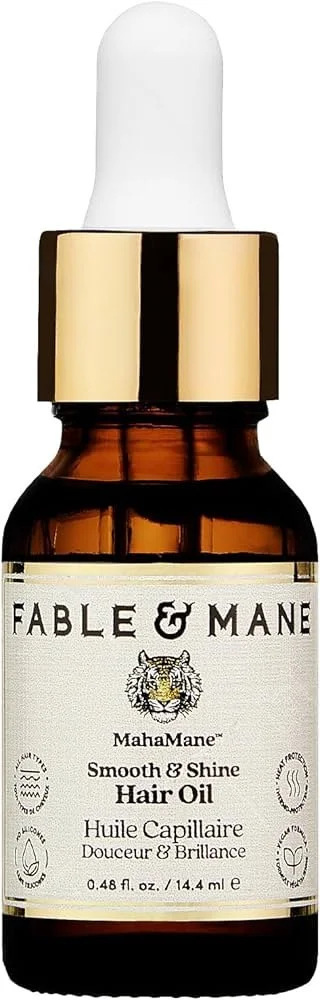
While scalp oiling can’t treat the autoimmune root of alopecia areata, it can still play a supportive role in your overall hair-care routine. Gentle oiling helps keep the scalp moisturized, reduces irritation, and encourages relaxation through massage—which may help lower stress, a known trigger for flare-ups in some people. A calm scalp environment doesn’t reverse the condition, but it can support healthier-feeling hair, improve scalp comfort, and make the regrowth process—when it happens—feel more manageable. It’s a soothing self-care practice that complements, but does not replace, medical guidance for alopecia areata.
Incorporating scalp massage into your routine is a simple yet powerful way to support scalp health and relieve tension. Just a few minutes a day of gentle circular motions with your fingertips can increase blood flow to the hair follicles, relax tight scalp muscles, and create a calming ritual that reduces stress. You can do it alone or while applying oil, using slow, mindful movements that feel soothing rather than forceful. Regular scalp massage isn’t a cure for hair loss, but it can make your scalp feel nourished, relaxed, and more receptive to healthy hair growth practices.
Simple Scalp Oiling Routine for Healthier-Feeling Hair
Choose Your Oil
Pick a lightweight, natural oil that suits your scalp—popular options include jojoba, coconut, grapeseed, rosemary-infused oil, or a blend. Make sure it feels comfortable on your skin.Start with a Clean or Lightly Damp Scalp
You can oil on dry hair, but lightly misting your scalp with water or a hydrating spray helps the oil spread more easily.Warm the Oil Gently
Place a small amount of oil in your hands and rub them together, or warm the bottle in a cup of warm water for a few seconds. Warm oil spreads better and feels soothing.Section Your Hair
Divide your hair into 4–6 sections so you can reach the entire scalp without using too much oil.Apply a Small Amount to the Scalp
Use your fingertips or a dropper to apply the oil directly to the scalp. Focus on dry or tight-feeling areas, and avoid over-applying.Massage for 3–5 Minutes
Use slow, circular motions with your fingertips—not your nails—to boost circulation and relax tension. Take your time; the massage is just as beneficial as the oil.Let the Oil Sit
Leave it on for at least 30 minutes, or up to a few hours if your scalp tolerates it. Some people prefer to leave it overnight, but that’s optional.Rinse Thoroughly
Shampoo once or twice depending on your hair type and how much oil you used. Follow with conditioner if needed.Use 1–2 Times Per Week
Oiling too often can weigh hair down, but a consistent weekly routine can help your scalp feel more nourished and balanced.Pay Attention to Your Scalp’s Response
Everyone’s scalp is unique—adjust the amount of oil, frequency, or type of oil based on what feels best for you.
Scalp Massage
1. Choose Your Medium (Optional):
You can massage your scalp with dry hands or use a few drops of a lightweight oil like jojoba, grapeseed, or rosemary-infused oil. Oil can help your fingers glide smoothly and adds a soothing touch.
2. Warm-Up:
Rub your palms together to generate gentle warmth. If using oil, warm it slightly in your hands before applying.
3. Section Your Scalp:
Divide your hair into 4–6 sections to reach the entire scalp evenly.
4. Finger Tips Only:
Use the pads of your fingertips—not your nails—to avoid scratching the scalp.
5. Circular Motions:
Massage each section in small, gentle circles for 1–2 minutes per section, focusing on areas where you feel tension or dryness.
6. Up-and-Down Movements:
After circular motions, gently lift and release the scalp in small upward motions to further stimulate circulation.
7. Tapping or Light Patting:
Finish with soft tapping or patting all over the scalp to increase blood flow and invigorate the hair follicles.
8. Duration:
Spend 10–15 minutes total each day. Consistency matters more than intensity—gentle daily massage is better than occasional long sessions.
9. Relaxation and Breath:
Take slow, deep breaths during the massage to enhance relaxation, which can indirectly support hair health.
Editor’s Picks - scalp oil
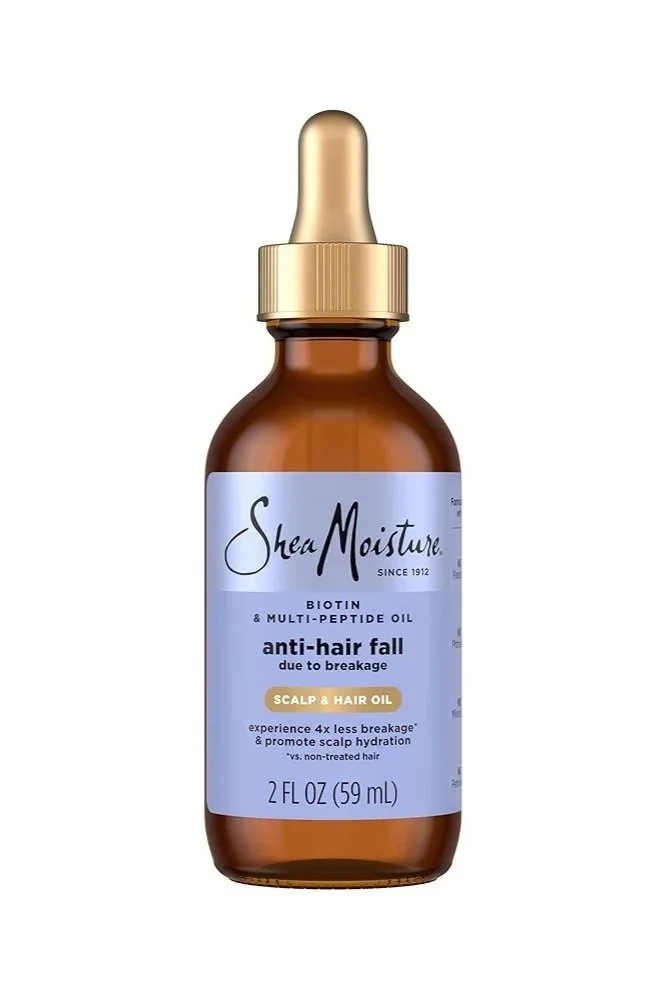
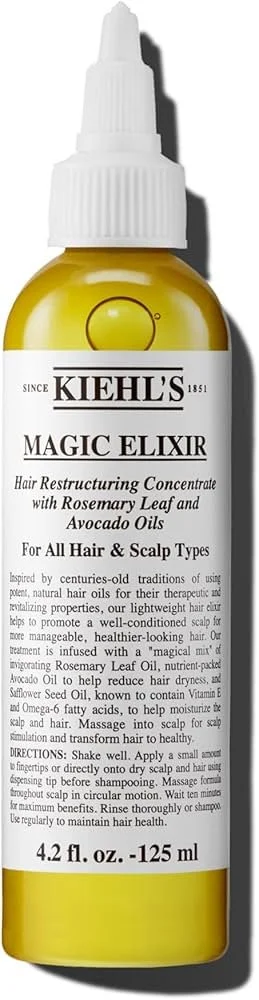
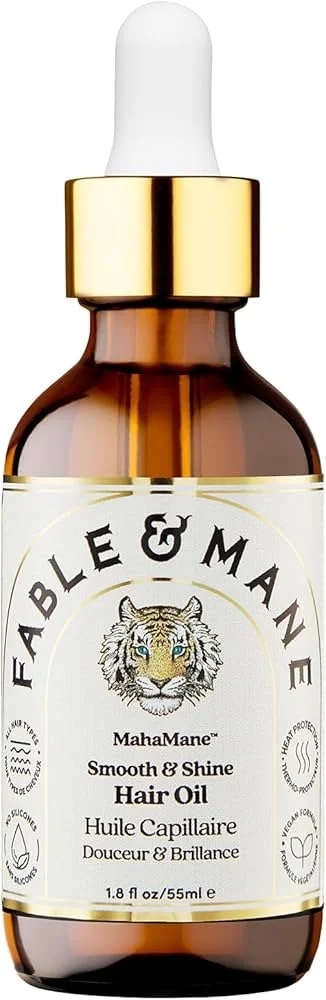
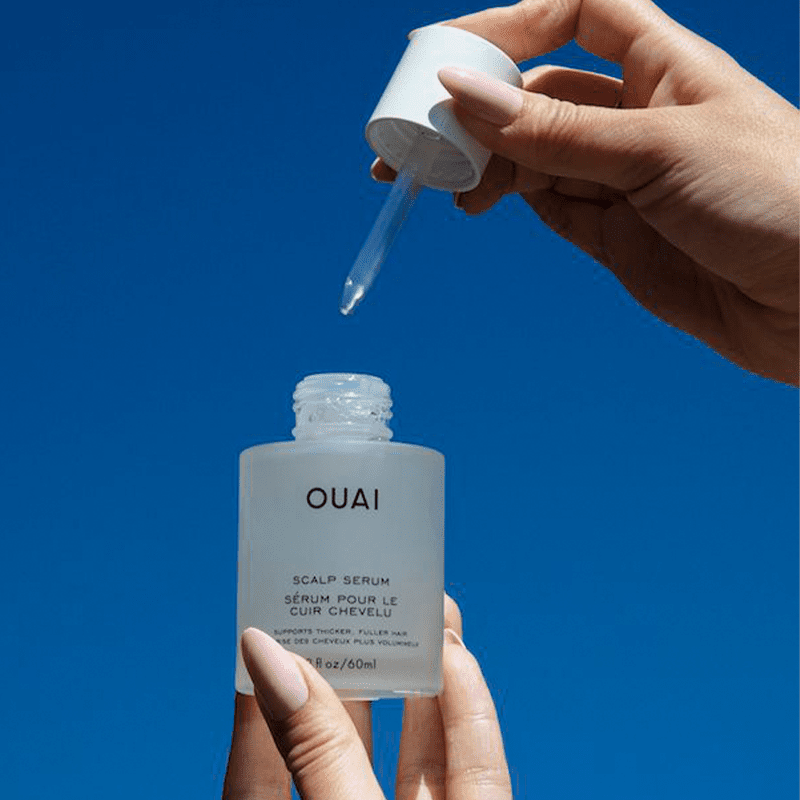
Taking care of the ends of your hair is just as important as caring for your scalp. Split or dry ends can make hair look thinner and frizzier, which can make areas affected by alopecia appear more noticeable. Regular trims, gentle brushing, and using nourishing conditioners or leave-in treatments can help keep the ends strong, smooth, and healthy. Protective hairstyles that minimize friction, limiting heat styling, and avoiding harsh chemicals also help maintain the fullness of your hair. By keeping your ends in good condition, you create the appearance of thicker, healthier hair, which can make thinning areas blend in more naturally.
1. Gentle Washing:
I double cleanse with a shampoo bar about every other day, you can adjust to less or more depending on how oily your hair gets. Focus shampoo on the scalp and roots, letting the suds naturally cleanse the lengths and ends.
2. Conditioning:
Apply a nourishing conditioner from mid-length to ends after every wash. Look for ingredients like shea butter, argan oil, or hydrolyzed proteins to help strengthen and moisturize.
3. Deep Conditioning or Hair Mask:
Once a week, treat your ends to a deep conditioning mask. Leave it on for 20–30 minutes to restore moisture and elasticity.
4. Detangle Carefully:
Use a wide-tooth comb or a detangling brush while the conditioner is in your hair. Start from the ends and work your way up to prevent breakage.
5. Regular Trims:
Trim the ends every 8–12 weeks to prevent split ends from traveling up the hair shaft.
6. Protective Styling:
Use loose hairstyles that minimize tension on the ends. If you have naturally straight to wavy hair, avoid tight ponytails, braids, or hairstyles that pull on fragile areas. I always sleep with my hair in a loose braid.
7. Minimize Heat:
Limit heat styling, and always apply a heat protectant if you use a hair dryer, straightener, or curling iron.
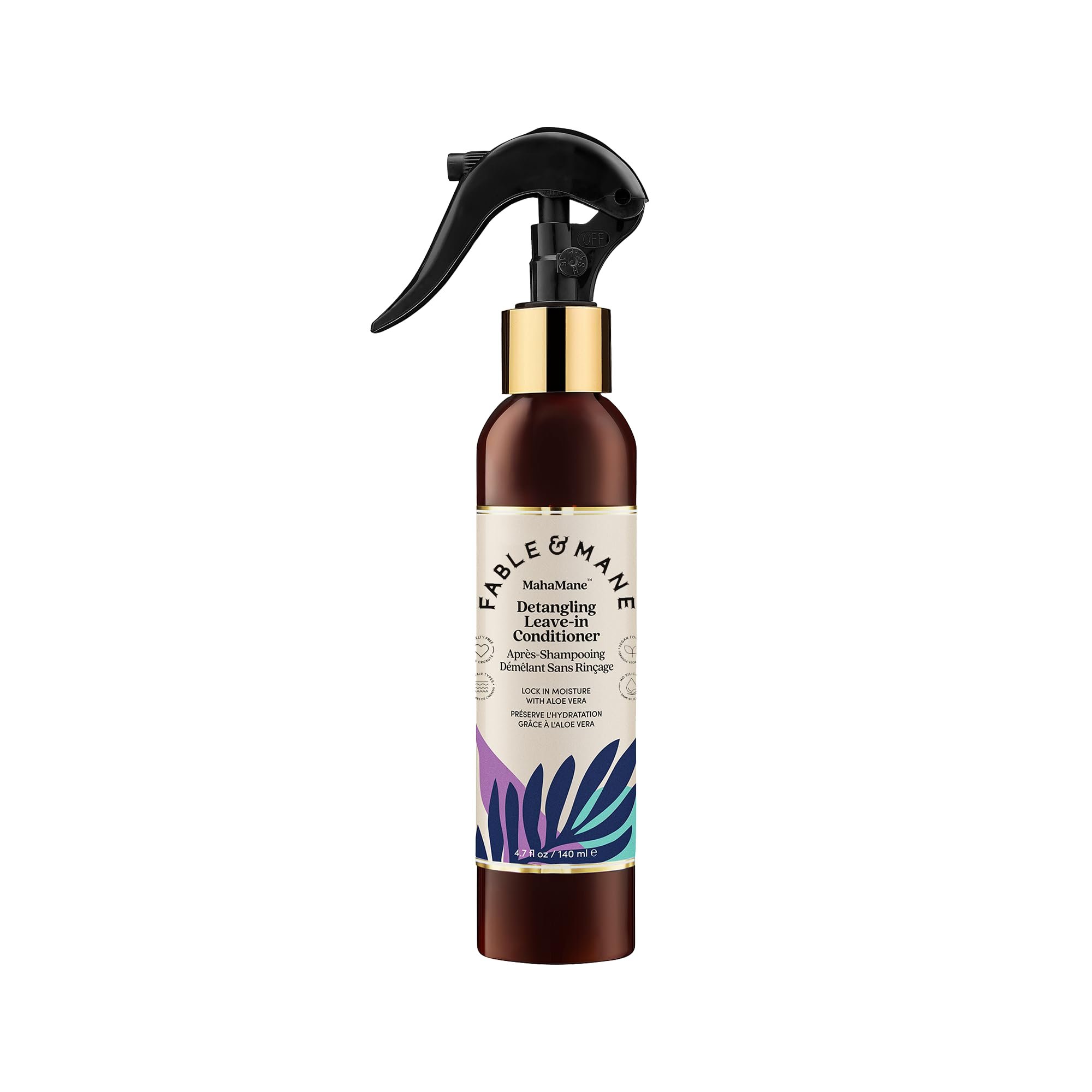
8. Leave-In Treatmnents
Apply a light leave-in conditioner or oil to the ends to lock in moisture and protect against friction from clothing or brushes.
9. Overnight Care:
Sleep on a silk or satin pillowcase, or wrap hair in a silk scarf to reduce friction and prevent breakage.
Editor’s picks - leave-in products
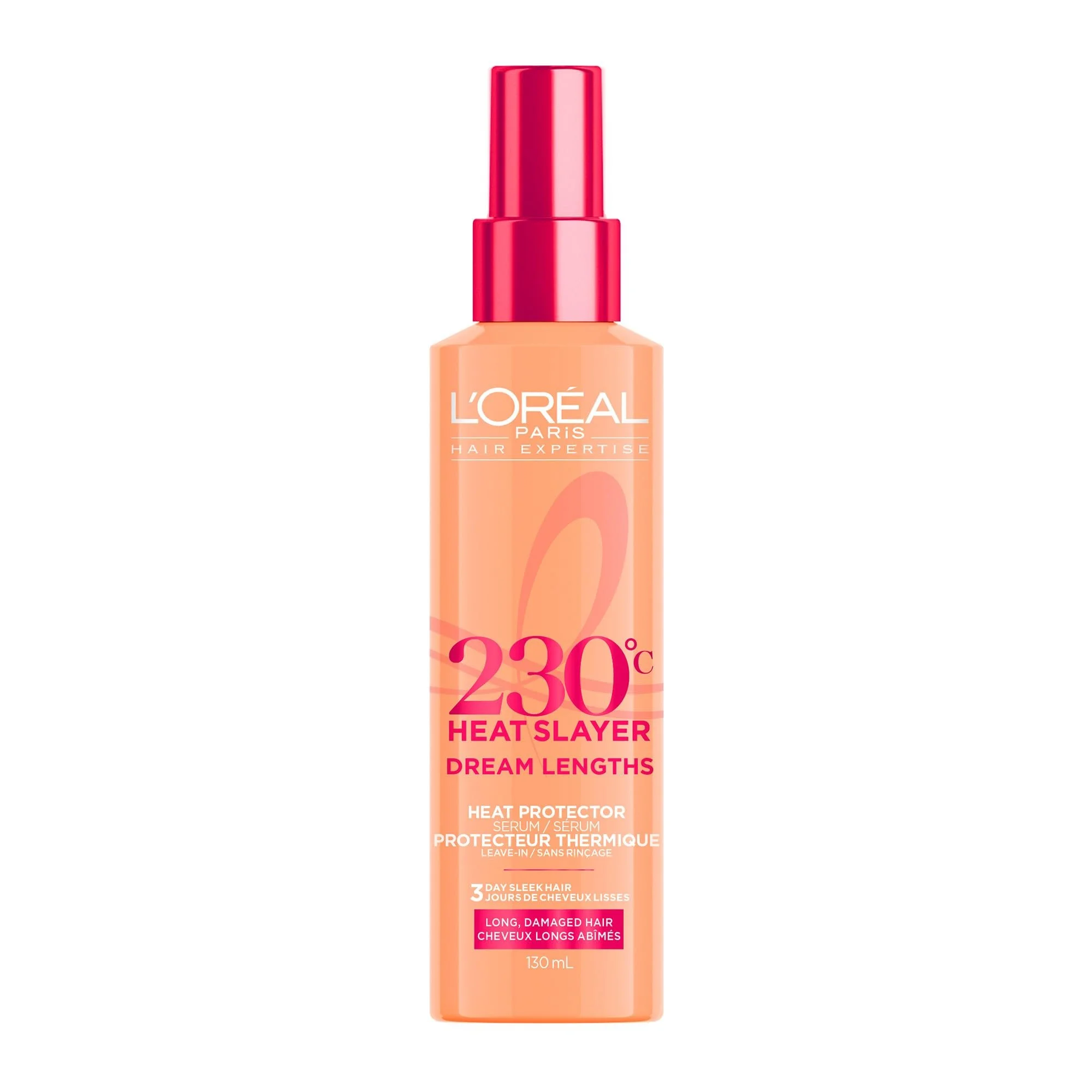
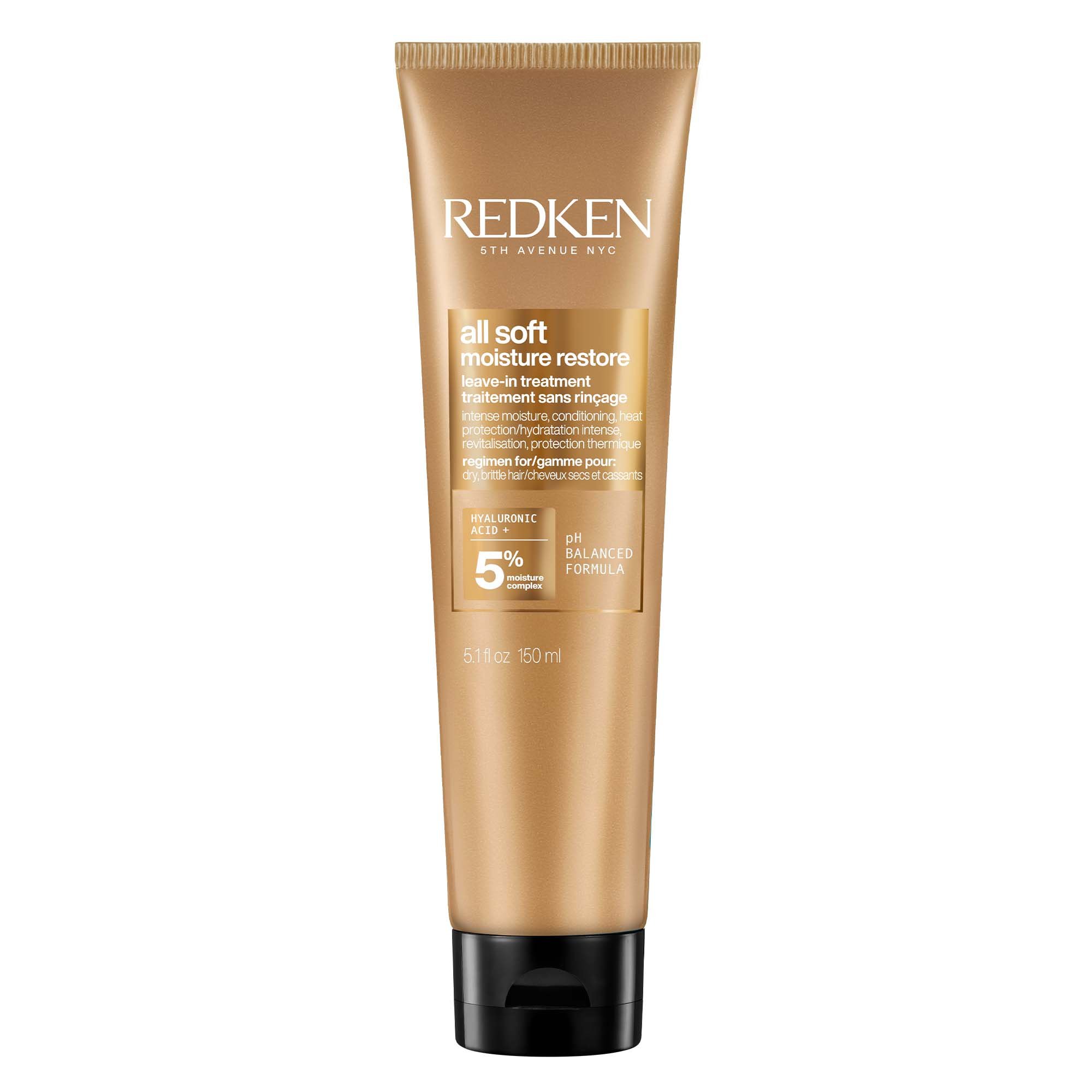
When it comes to natural, non-prescription ways to support hair growth and make your strands stronger, certain supplements can help—but remember: they’re most effective when you actually have a nutrient gap. OTC supplements don’t “cure” hair loss, but they can provide the building blocks your body needs to support healthy follicle function. Commonly recommended nutrients include biotin, zinc, iron, vitamin D, and omega-3s. These may help boost the structural integrity of your hair, promote scalp health, and support the growth phase of hair, especially if you’ve identified a deficiency through blood work or a clinical evaluation.
Some popular OTC supplements for hair health:
Biotin (Vitamin B7)
Zinc
Iron (especially if tests show low ferritin)
Vitamin D
Vitamin C
Omega-3 fatty acids (e.g., fish oil)
Selenium
Multivitamins with B-complex vitamins
Hydrolyzed keratin
Amino acids (like L-cysteine or L-methionine)