Top 10 Ways to Fight Burnout
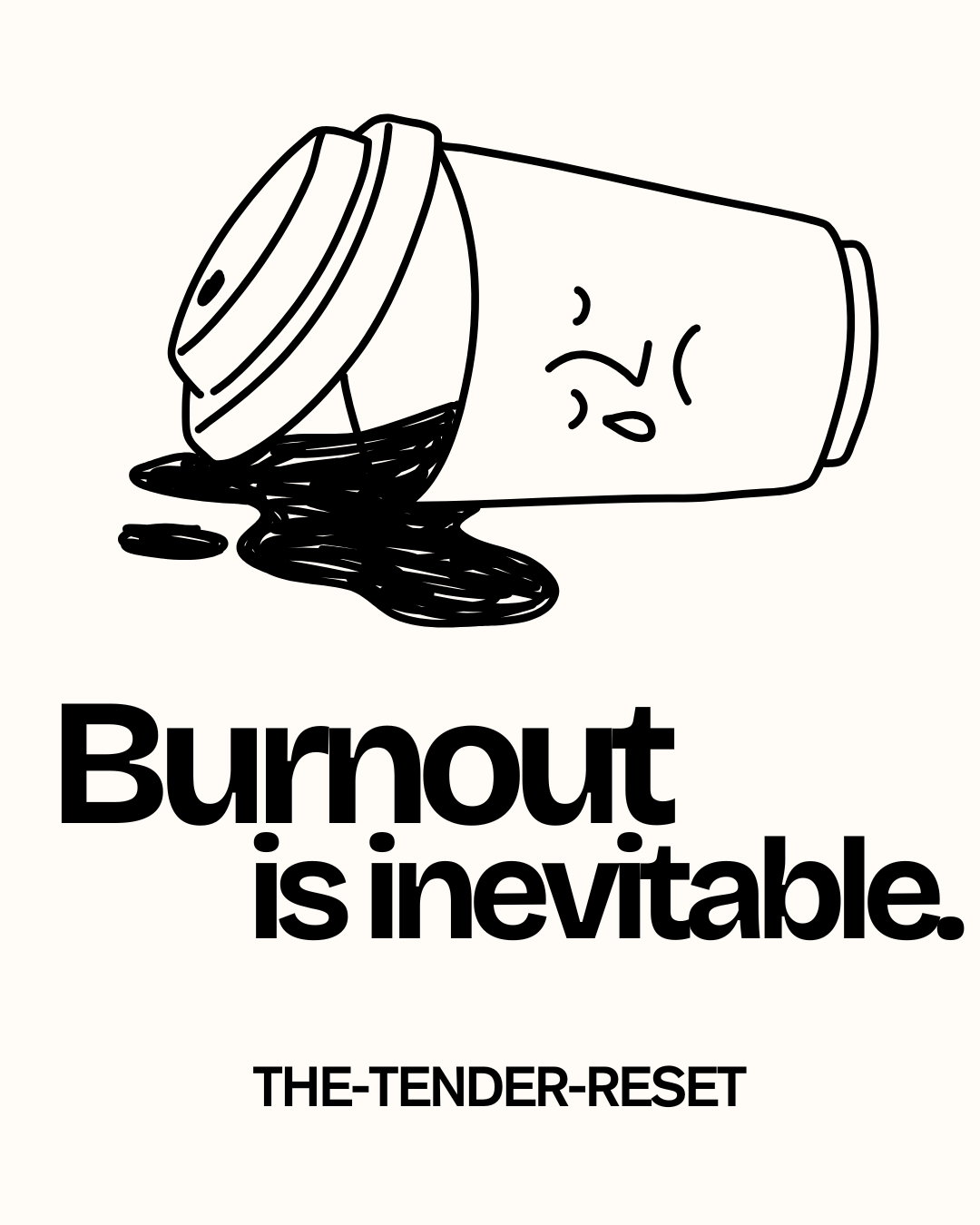
Burnout is bound to happen, no matter what your job is. As a mental-health practitioner, how you deal with burnout could be something an employer asks you in an interview. Self-Care is so often preached, but some days you might just be too exhausted, physically or emotionally. Here are some different ways you can fight burnout, for low energy days and high energy days;
#1. The before, during and after principle.
The before after and during principle is simple. Chose one practice before a shift, during a shift and after a shift. Your three practices could be anything that separates you from your job. For example-
One hour before your shift, spend ten minutes stretching or follow along with a yoga video on YouTube.
During your shift, on your break or whenever you can, take two minutes outside or somewhere private to practice deep breathing or box breathing.
When you have some time after work, take five minutes to do a face mask or simple skin care routine.
Bonus! Incorporating making yourself a cup of hot tea is an excellent form of self-care and self-love, plus the warmth of aroma of the beverage
2. Know the signs.
Burnout can manifest in several different ways: headaches, sore muscles, fatigue, anger, or sadness. To tackle burnout before it takes full effect, it is crucial to recognize the signs. Knowing how your body and brain react to stress, and how they signal you need a break, is how you will know when it is time to treat it. Spend some time self-reflecting, and then you will know how to address it. Self-reflection does not have to be too time-consuming; you can start by dedicating just five minutes doing a guided meditation or going for a walk. You can do a scan of your body, head to toe, pay attention to where you can feel tension, and what emotions you may be experiencing. Then you can simply jot down what you notice. Keep it mind what you record, when you take other measures to fight or prevent burnout, you can tweak them so they cater to your individual needs.
4. Eat well, sleep well, routine well.
Creating a routine is not always effortless. Routines can be demanding when you are exhausted from your job. Start off small, strong routines are ones that are gradually built on, and then they can become the foundation for better sleep or better nutrition. Begin by incorporating one step into your after work routine that will send a signal to your body that it is time for sleep. This could be doing your skincare or reading a chapter of a book. Maintaining a good routine leads to better habits, which decrease the chances of burnout. Your body needs an adequate amount of rest and proper nourishment.
3. Create a playlist
Music can easily impact how we feel! This is a trouble-free task you can complete that can help you combat burnout with ease. Create two playlists, one for before a shift and one for after. In the first playlist, include songs that make you feel happy, energized, and motivated. Listen to it before a shift or on your way to work. Bonus points- if you are able to walk to work, take advantage of this! It is great for your body and mind. When you’re creating the second playlist, include songs that are relaxing and bring out a sense of calmness. Listen to the second playlist on your way home from work or after a shift to help you unwind and ground yourself.
5. Communicate.
Alone you cannot fix everything, but you can be a part of a team that is helping someone or achieving a goal. By communicating your concerns with a team leader or manager, you may feel less burdened. By chatting with colleagues to hear their opinions or advice, you may feel less confused. Chatting with a friend you trust about the stress you’re experiencing, you may feel less alone. And when you really need it, chatting with a professional, like a doctor or therapist, you can access specialized help and care.
6. Cry when you need to cry, yell when you need to yell.
Not much more needs to be said. At work, we need to remain composed and in control of our emotions. Just because we can’t always show them, particularly the more powerful emotions, it doesn’t mean they just disappear. When you’re away from work in a safe space, take some time and just get out what you need to get out. If you need to cry, then cry! Do not bottle it up for it to explode at a later, less appropriate time. If you come home from work and are feeling especially angry, scream into your pillow, dance around to loud music, or write all of your feelings down on a piece of paper and rip it into a million pieces.
7. Journal.
Self-awareness can be your greatest tool in preventing and fighting burnout. How will you know that you are overworked unless you can identify how you’re feeling? A quick journal entry after a particularly difficult shift can also help you separate work from home. Put it down, put it aside. By writing down your thoughts and then leaving them behind, you give yourself permission to mentally transition from work to personal time.
Sign up for a free after work journal template
8. Create an emergency care package.
For the times when burnout just happens, have a little in case of emergency box ready. This box can include anything that will lift your spirits. A cozy blanket, your favourite candy, melatonin, or tissues if you need a good cry.
10. Prioritize hygiene.
This one may seem simple, but hygiene is one of the first things we forfeit when we’re entering a low stage. Running out of time to do basic tasks is easy when all you can do is work and sleep. It is so important to remember to keep up with typical hygiene, like showering, brushing your teeth, and light house cleaning. You might find it helps to get on top of a routine that works before you reach burnout or begin to experience burnout. Creating a checklist in your phone, or jotting down a list to tape up in your bathroom, are all great ways to remind yourself to take a second and take care of you. Creating a reward system may also work for mundane tasks that might be motivational, like every time you take a shower and brush your teeth at night, you can reward yourself with an episode of a show you like. Adding something stimulating might also make the task less dull, like listening to a podcast while you wash dishes, or playing music while you groom your nails.
9. Practice boundary setting.
Sometimes, it is part of our job to be easily accessible. It is difficult to consistently be aware that you are a human being, not a god, when other people are trying to convince you otherwise. Emergencies happen, and work goes beyond typical business hours. The key is to limit how accessible you are, not eliminate it. It might not be an option to keep your phone on do-not-disturb all night, so take advantage of the moments you can. Burnout can occur when there is no separation between work-life and home-life. You can still remain reliable while limiting how much time you’re dedicating to your job. Remind yourself that in order to do the best job you can, you need to take care of your body. You can create a list of affirmations to recite if you struggle to say no at work, like-
“I will do the best I can today, I will consider everyone’s best interest, that includes my own.”
“I am doing the best I can. I am only human.”
“I need to take care of myself to be the best worker I can be. That includes rest.”